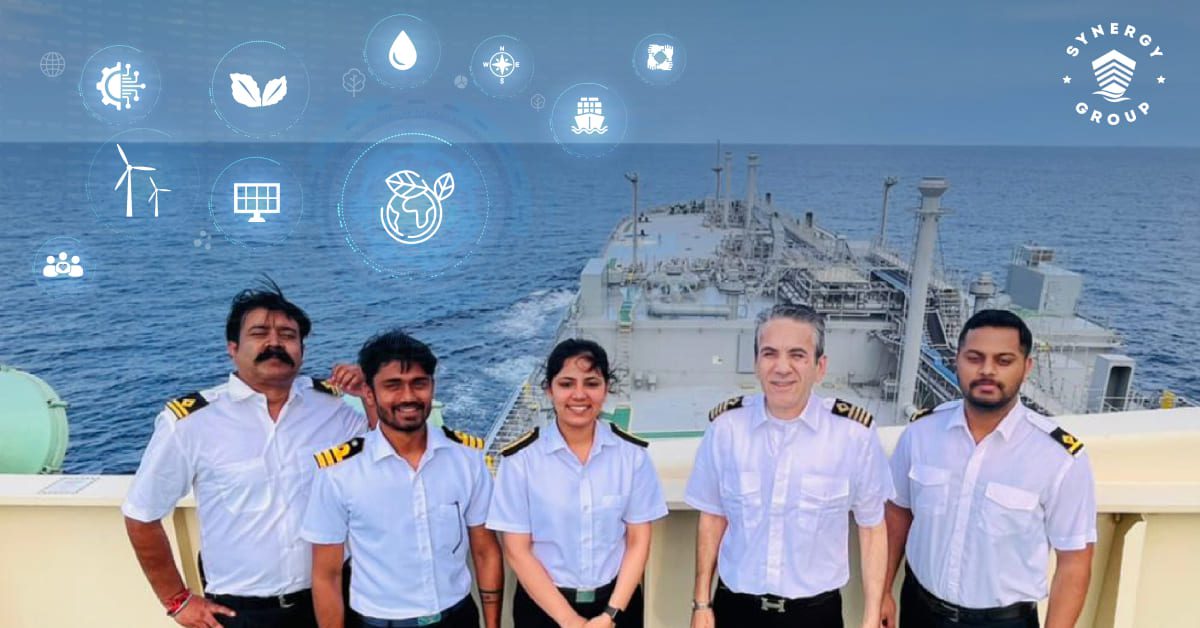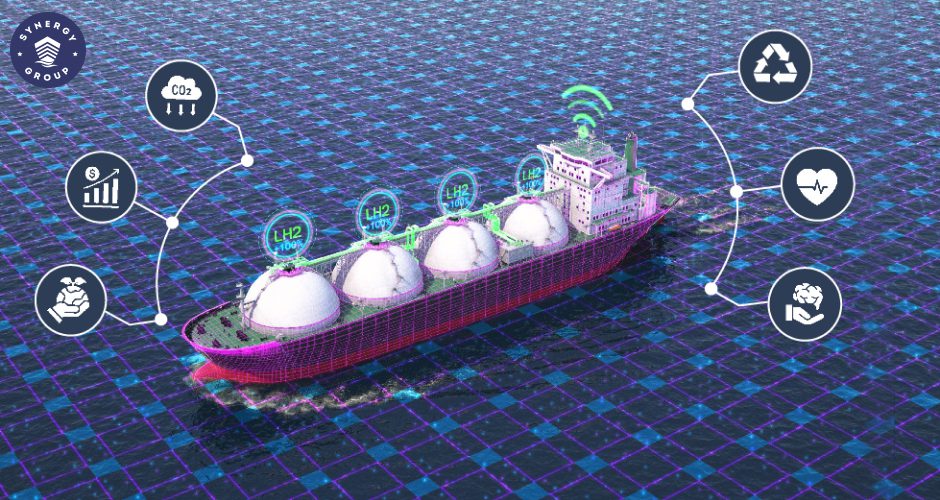
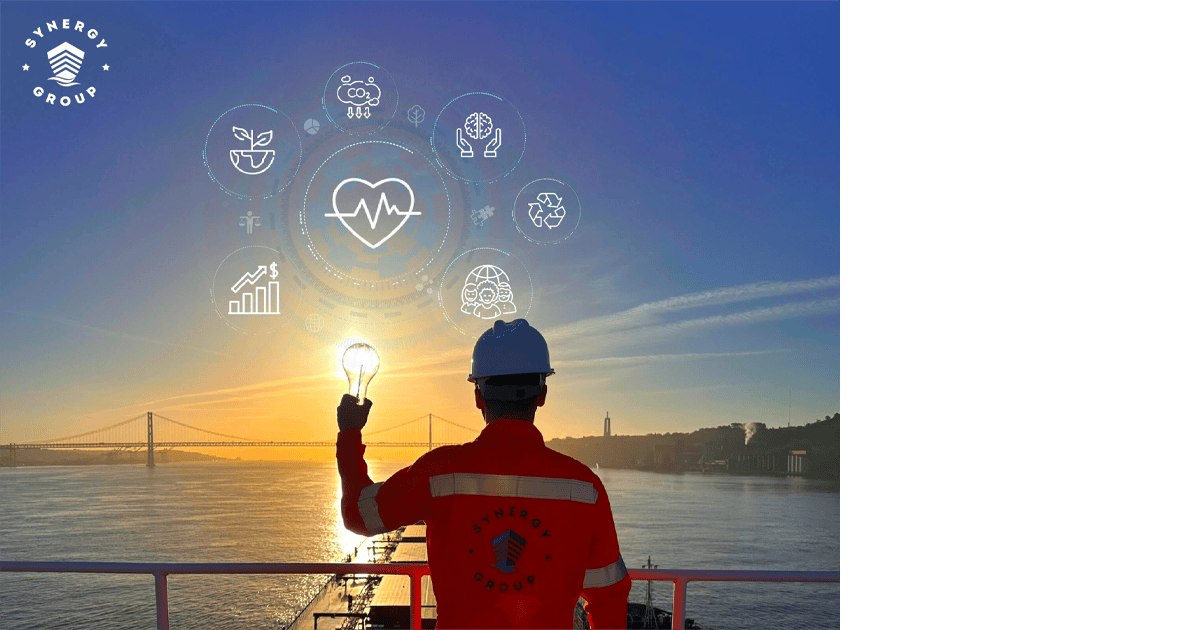
Shipping is the backbone of global trade, connecting nations and facilitating the movement of goods across the world. By adopting an approach that includes transitioning to alternative fuels, transforming to efficient ship designs, digitising and using smart technologies, promoting human sustainability and strengthening international collaboration, the industry can certainly achieve sustainability by 2030.
These things will not only reduce carbon emissions and pollution but will also contribute to the preservation of ecosystems and the overall well-being of our planet. With concrete actions, efforts and collective responsibility, a sustainable future for shipping can be attained by 2030.
しかし、技術の進歩と環境の持続可能性に引き続き注目する中で、人間的な側面は後回しにされがちです。 海運における人間の持続可能性には、海事労働力の幸福、安全、開発が含まれますが、ここでは、従業員を大切にする業界を創造する上で主要な役割を果たす概念の極めて重要性と、業界全体の持続可能性と繁栄に貢献するいくつかの重要な分野について説明します。
Ensuring safe and healthy working conditions
Seafarer well-being is of the utmost importance in achieving human sustainability. By 2030 all shipping companies should be providing a safe working environment, implementing strict safety regulations and offering training programmes to address risks. Regular safety inspections, proper maintenance of equipment and machinery and effective emergency response plans will contribute to a culture of safety, and providing access to medical care and mental health support and promoting a healthy work-life balance are also equally important.
Mental health and well-being
船員は、家族や愛する人と長期間離れていたり、孤立したり、ストレスの多い状況に陥ったりするため、困難な職業になることがあるため、メンタルヘルスを優先することも、海事労働力の長期的な持続可能性を確保するために最も重要です。 2030年までに、すべての海運会社は、カウンセリングサービスなどの適切な支援メカニズムを確立するとともに、通信施設への信頼性の高いアクセスと適切な休憩時間を確立する必要があります。 これらすべてのことは、船員が海上で直面する可能性のある心理的課題に対処するのに役立ち、船内のレクリエーション施設の設立、フィットネスアクセサリーの設置、フィットネスキャンペーンの推進、健康的な食事の選択肢の提供も非常に前向きな方法で貢献します。
Promoting diversity and inclusion
多様性とインクルーシブな職場環境は非常に重要です。 2030年までに、労働力のジェンダー平等と多様性を業界全体で積極的に推進する必要があります。 異なる背景、国籍、性別を持つ個人に平等な機会を与えることは、公平性を促進するだけでなく、全体的なパフォーマンスを向上させることにもつながります。 誠実さ、尊敬、理解、協力の文化を促進することで、この業界は多様な労働力の可能性を示し、この急速に進化する業界でそれを維持することができます。
Investing in training and development
今日では、海運業界の増え続ける需要に海事労働者が遅れないように、継続的なトレーニングと開発が不可欠です。 これは、対人スキルに対処するだけでなく、海事規制、技術の進歩、環境保護などのトピックをカバーする必要があります。 バーチャルリアリティとシミュレーション技術は、没入型のトレーニング体験を提供し、理論的な学習と実践的な経験の間のギャップを埋めるのに役立ちます。 この投資は、個人の能力を向上させるだけでなく、業界全体の効率にも貢献します。
Fair wages and conditions
これらの側面は、海運における人間の持続可能性にとって等しく重要です。 2030年までに、業界は船員が公正な賃金を受け取り、妥当な時間働き、適切な休息とレクリエーションにアクセスできるようにすべきです。 国際的な労働基準を確立し、厳しい規制を遵守し、公正な労働慣行に従うことは、従業員の満足度を向上させるだけでなく、海上または陸上で新たな課題に取り組む準備ができている持続可能で意欲的な労働力にも貢献します。
Career progression and retention
熟練した経験豊富な船員を維持することは不可欠ですが、キャリアパスが長く不確実なため、困難です。 人材を育成し、専門的な成長の機会を提供することで、業界は、海上と陸上の両方で長期的な成功に貢献できる熟練した人材のプールを維持することができます。
Conclusion
海運業における人間の持続可能性とは、海事労働者にとって支援的で包括的かつ安全な環境を作り出すことを意味します。 福祉、誠実さ、安全性、透明性、発展を優先することで、業界は持続可能性と長期的な繁栄を確保することができます。 海運業界における人間の持続可能性を確保することは、道徳的な責任であるだけでなく、業界の未来を確保するための戦略的な投資でもあり、その重要性を認識することで、すべての業界関係者にとって明るい見通しを生み出すことができます。
About the author:

Currently serving as a Trainee Marine Engineer on the VLGC “BW LORD”, Rahul Kumar Singh is working towards mastering the skills needed for the safe and efficient operation of onboard machinery. As a junior engineer, he is learning to operate, troubleshoot, and maintain complex shipboard systems. With a drive for innovation and hard work, he aspires to excel as a marine engineer. In his free time, he enjoys engaging with colleagues, playing video games and cricket, and discussing maritime research and advancements. He believes in combining continuous learning with camaraderie onboard.