Introduction
海運業は世界貿易と経済発展の鍵を握っていますが、ある特定の側面が依然として重要な課題となっています。 このエッセイでは、最も差し迫った問題を概説し、海事関係者が2030年までに実行しなければならない具体的な行動を表にまとめています。
The vital importance of human sustainability
海事業界では、船員の健康、安全、専門的成長がこれに該当します。 安全な労働環境、満足のいく生活条件、キャリアの機会を確保することで、業界の評判を高め、熟練労働者を引き付け、国連の持続可能な開発目標に貢献します。
Identifying the core issue
海事業界における人間の持続可能性のために緊急に対処しなければならない重要な懸念は、船員のメンタルヘルスと幸福です。 長期間の家を離れる、孤立する、疲労、サポートサービスへのアクセスが制限されるなどの課題は、ストレス、うつ病、不安、自殺傾向の一因となります。 メンタルヘルスの問題に徹底的に、体系的に、そして繊細に取り組むことが最も重要です。
Concrete actions for stakeholders:
リストは簡潔で覚えやすく、最初の5つの項目は船員の精神的な健康に直接関連しています。
Enhanced Mental Health Support:
Collaborate to establish comprehensive mental health support systems, including access to professionals, counselling services and training programmes. Foster a supportive work culture that destigmatises the positive and often brave action of seeking help;
Improved Living and Working Conditions:
Prioritise safe and comfortable living quarters with adequate space, ventilation and recreational facilities. Maintain optimal working conditions, including regular breaks and reasonable hours;
Social Connectivity and Communication:
Enhance connectivity options with top quality internet access and affordable communication platforms. Establish secure channels for seafarers to link, reliably, with their families;
Training and Professional Development:
Invest in continuous training programmes to enhance skills, knowledge and career prospects. Motivate seafarers, thus further helping to reduce burnout and mental health issues;
Regulatory Frameworks and Industry Standards:
Develop and enforce regulations on workload management, crew rotation, mental health support and rest periods. Establish best practices and standards through collaboration among industry organisations;
Transition to Sustainable Fuels:
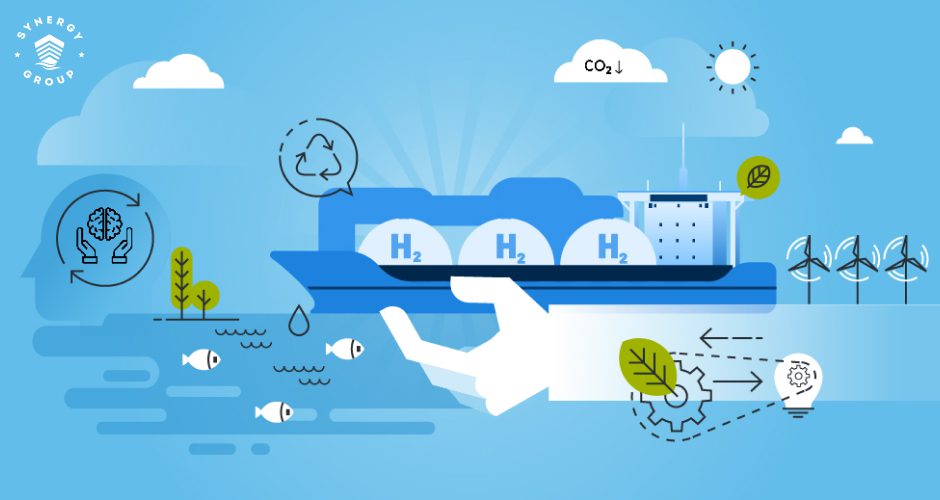
Promote research in and development of low-carbon alternatives like biofuels, hydrogen and ammonia, and collaborate with governments and energy companies to drive innovation;
Invest in Renewable Energy Sources:
Explore and invest in solar and wind power for onboard energy needs, and overall reduce reliance on fossil fuels and promote sustainable practices;
Embrace Energy-Efficient Technologies:
Prioritise adoption of energy-efficient technologies, including improved hull designs, advanced propulsion systems and waste heat recovery systems, and so help reduce fuel consumption and emissions.
Conclusion
メンタルヘルスサポートの強化、生活条件と労働条件の改善、社会的つながりの促進、トレーニングと専門能力開発への投資、規制の枠組みの実施、持続可能な燃料への移行、エネルギー効率の高い技術の採用を優先することで、海事業界は2030年までに人類の持続可能性へのアプローチを大幅に改善することができます。
About the author:

Nishant Kanwar is a Second Officer dedicated to the safety of both vessel and crew. Hailing from the mountains, he brings a deep appreciation for nature to his maritime career. Eager to advance to senior ranks, Nishant is committed to mastering essential skills and responsibilities. Outside of his professional life, he is an avid sports enthusiast who enjoys exploring diverse cuisines and cultures in his free time.