A framework for the next generation of ship management
From Services Listed To Value Delivered
Synergy Marine Group manages a diversified fleet of more than 750 vessels for many of the world’s leading shipowners. Our ship management services are delivered through Synergy Ship Management, the Group’s dedicated technical management capability.
The work of a ship manager looks very different today from a decade ago
Owners are managing several pressures at once: fragmented regulation, fuel choices with long-term commercial consequences, cyber exposure, sanctions risk, charterer scrutiny, tighter capital discipline and the continuing challenge of attracting and retaining good crew.
In this environment, the management fee alone no longer defines value. What matters is whether a manager can reduce operational burden, protect the asset, maintain compliance, strengthen crew performance and keep the vessel trading safely and efficiently across its working life.
That is what we mean by Ship Management 2.0. It moves the conversation beyond counting vessels or listing services. The real measure is the value a manager delivers: the risk it removes, the performance it protects and the way it helps an owner reduce the total cost of ownership over time.
The distinction matters.
Cost efficiency is about the fee. Total cost of ownership is about the vessel, its condition, reliability, compliance record, maintenance trajectory, crewing stability, fuel performance and long-term asset value.
750+
Vessels under management
32000+
Port calls annually
31
Offices across 15 countries
#2
World’s second-largest third-party ship manager
How The Model Has Changed
Ship management is not what it was
The traditional model was built around cost efficiency, human-dependent execution and a largely transactional relationship. That model is increasingly inadequate for a decade of structural change.
Conventional Ship Management
Management fee as the primary commercial variable
Human-dependent execution and reporting
Limited visibility into vessel performance
Short-term, transactional relationship
Reactive approach to maintenance and compliance
2.0 Ship Management
Total cost of ownership as the delivered outcome
Integrated operations with data-led visibility
OceanEye - continuous fleet monitoring, ship and shore
Long-term operating partnership model
Manager accountable for inputs and outcomes
The Operating PARTNER Model
Outsource complexity, not control
A capable ship manager does not take authority away from the owner. It strengthens the owner’s position by providing the systems, technical depth, governance, crew capability and operational reach that are difficult to build in-house across every function, vessel type and trade.
We grow consciously. The owners who work best with Synergy are those who want a committed management partner, not simply a contracted service provider. Scale has a place in this model, but scale by itself proves little. What matters is whether scale is used to build a stronger, deeper and more adaptable operating platform for owners.
DELIVERED THROUGH
Synergy Ship Management
The Group’s dedicated ship technical management capability, bringing together experienced seagoing and shore-based professionals, disciplined management systems, vessel-specific engineering support, marine assurance, procurement, emergency response and operational intelligence. Together, these capabilities enable the consistent, safe and efficient management of vessels throughout their operational lifecycle.
Fuel Optionality & Transition Readiness
Deliberately open on fuel
No single fuel will suit every vessel, every trade or every owner. Our role is to keep an owner ready and honestly assessed on risk, so that whichever path is chosen, the crew can operate it safely.
LPG
In Service
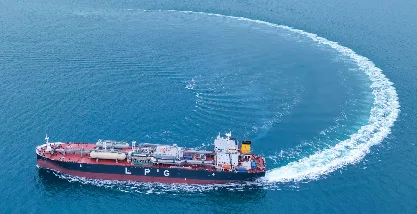
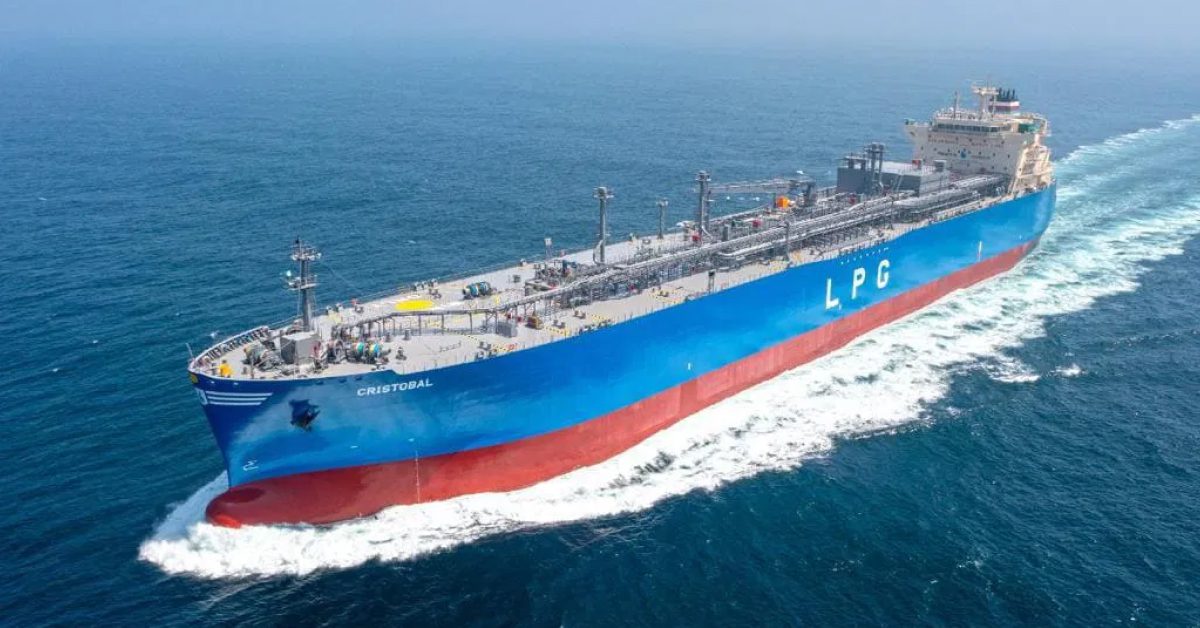
LPG dual-fuel gas carriers under technical management,
including MFM NICOLE, with propulsion and cargo capabilities suited to a range of gas trades.
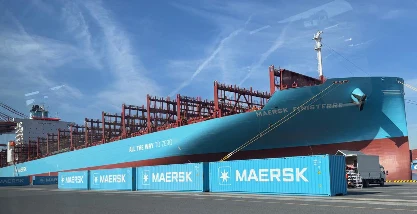
Maersk Finisterre under Synergy technical management – dual-fuel methanol.
Ammonia
TECHNICAL STUDIES
HAZID and HAZOP studies completed for future ammonia fuel integration.
Future Fuels
Biofuels & Emerging Pathways
Biofuel operations support owners’ decarbonisation strategies today, while we continue to evaluate emerging fuel pathways.
Selected vessels in service
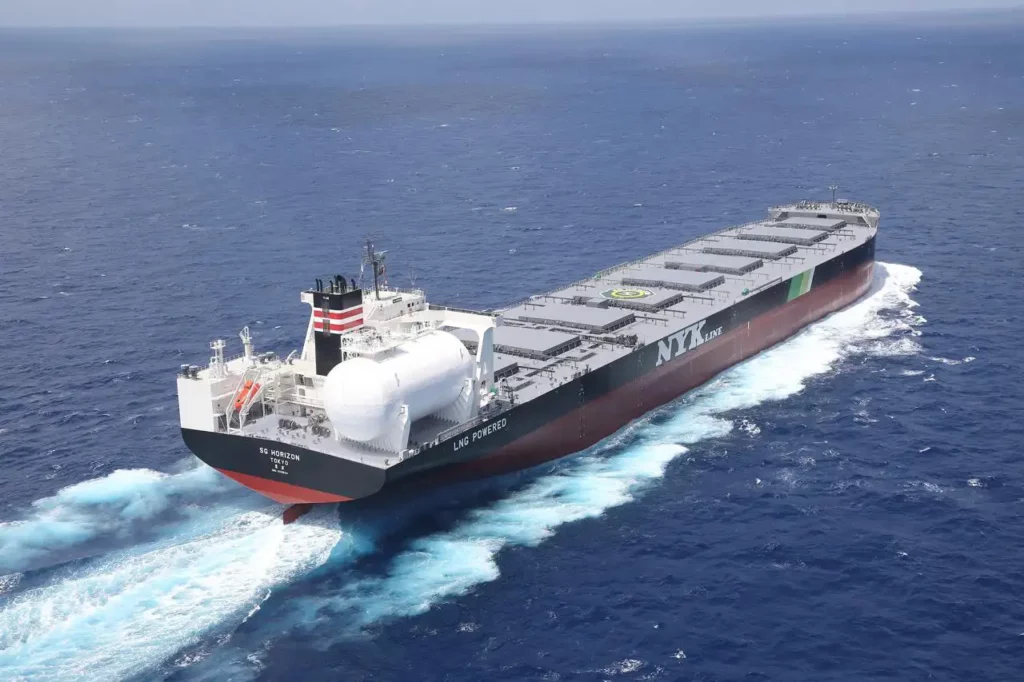
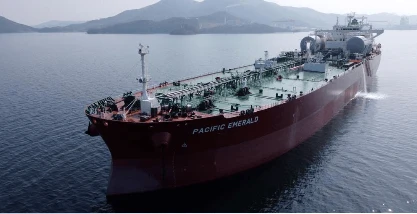
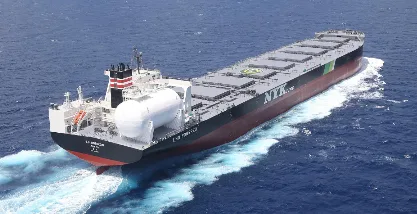
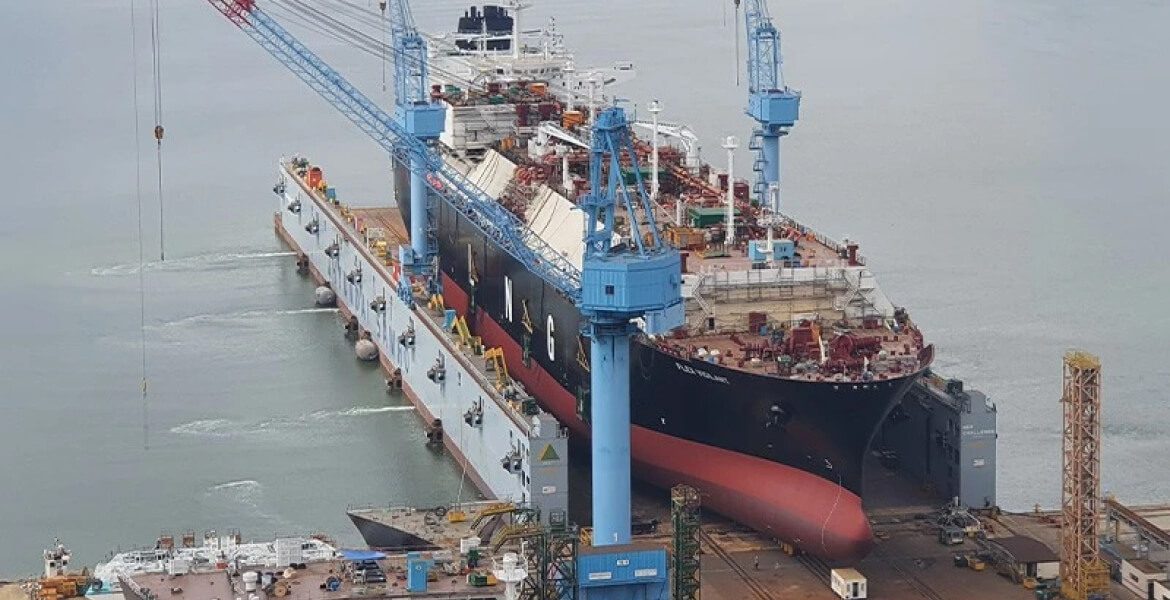
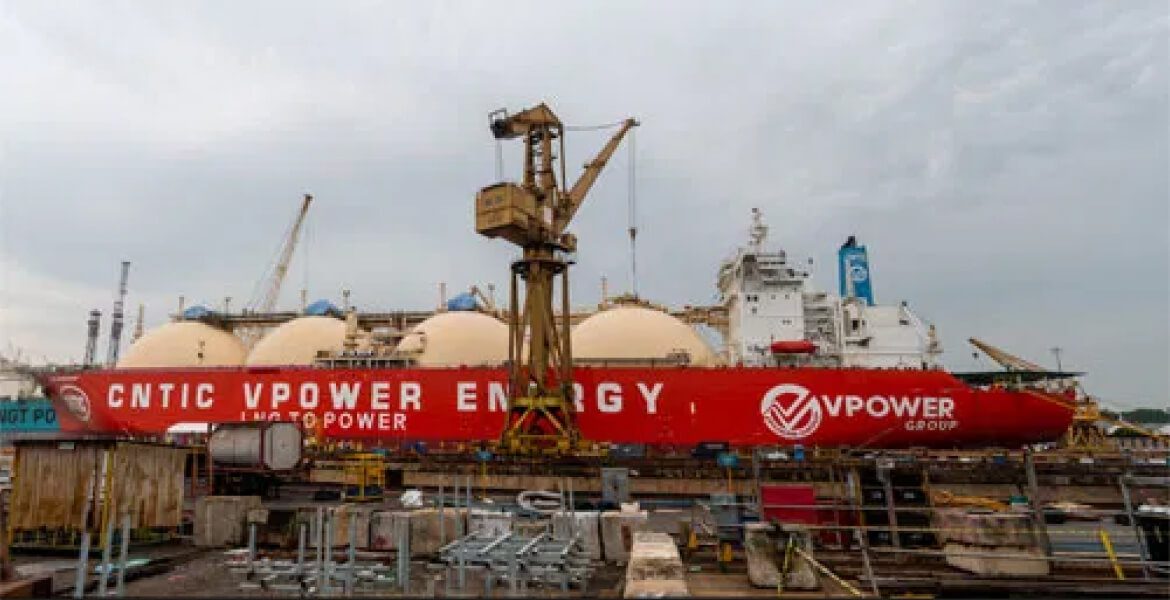
Our fleet reflects the breadth of what we manage. It includes LNG carriers, LNG-FSU and FSRU conversions, LNG-to-power vessels, LPG carriers and chemical tankers, VLCCs, Suezmax, Aframax, LR2, LR1 and MR tankers, car carriers, container ships from 2,000 to 20,000 TEU and Cape, Kamsarmax, Panamax, Handymax and Handysize bulk carriers. Among them is Pacific Emerald, Singapore’s first LNG dual-fuel oil tanker, under Synergy’s management.
Maersk Finisterre
First methanol dual-fuel container vessel under Synergy management.
YM Willpower
15,500 TEU LNG dual-fuel container vessel under Synergy management.
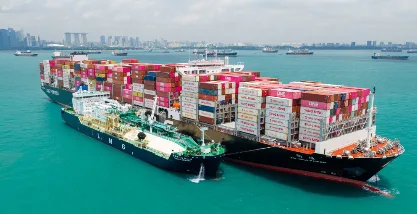
Pacific Emerald
Singapore’s first LNG dual-fuel oil tanker – bunkered via FueLNG Bellina.
LPG-powered, fully refrigerated gas carrier capable of carrying LPG, ammonia and VCM.
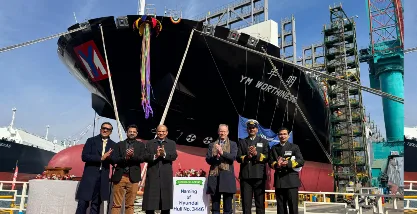
YM Worthiness
Sister vessel to YM Willpower, 15,500 TEU LNG dual-fuel.
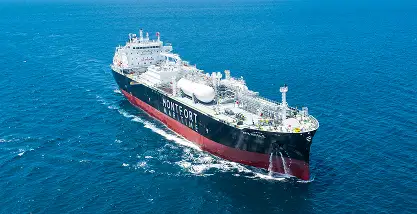
MFM Nicole
39,200 m³ fully refrigerated LPG carrier under Synergy technical management. LPG dual-fuel propulsion and cargo capability for LPG and anhydrous ammonia bring together fuel choice and cargo versatility.
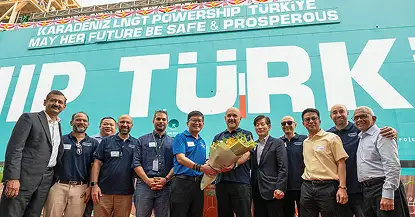
LNGT TÜRKIYE
Converted LNG carrier in FSRU service for Karpowership, under Synergy technical management.
Technology & Operational Intelligence
AI that informs judgement, never replaces it
Technology must remain auditable, explainable and controlled. Where safety is concerned, responsibility stays with people – the master, the chief engineer and the shore-based technical team.
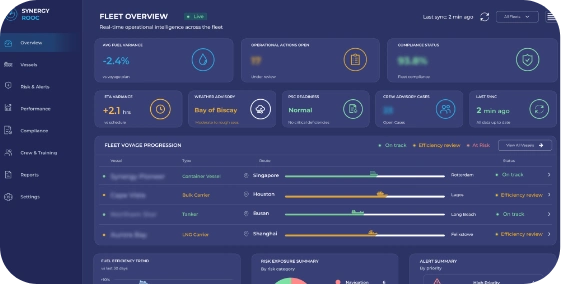
OceanEye - Operational Intelligence
Vessel data, performance trends and risk signals brought into a single shared view. Shore teams and vessel officers work from the same operating picture – enabling earlier intervention and more consistent decisions
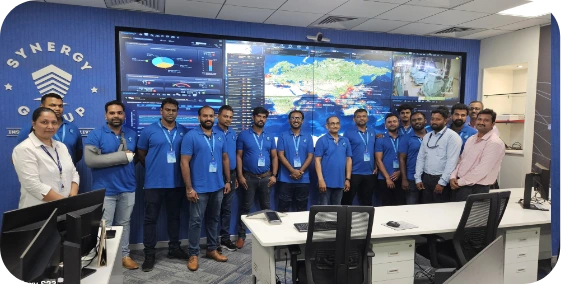
Remote Operations Optimisation Centre
More than 30 specialists maintain continuous visibility across the managed fleet, interpreting performance signals and acting on them in coordination with the master, chief engineer and technical superintendent
Synergy’s Maritime AI layer is live on more than 750 vessels. It reads and tracks operational data across systems, documents and email. It classifies incoming email into more than 20 operational categories, extracts spares and job data from planned maintenance records, and tracks survey, certificate and inspection status. The Crew Skill Index covers more than 7,600 crew records. Our people decide what happens next.
Ship Management 2.0 is Synergy’s approach to modern third-party ship management. It reflects a shift from measuring management value by fee alone to measuring it by the risk removed, performance protected and total cost of ownership reduced across the vessel’s working life.
Traditional ship management often treated a complex service as a commodity. Ship Management 2.0 recognises that real value lies in operating capability, technical judgement, crew quality, compliance strength, data visibility, emergency readiness and long-term asset care.
No. The principle is to outsource complexity, not control. A capable manager strengthens the owner’s ability to manage the vessel by providing systems, expertise, governance and operational reach that are difficult to replicate in-house.
Synergy provides around-the-clock emergency responses, established crisis-management protocols and named points of contact for each owner, backed by shore teams across its global offices.
Synergy manages a broad range of gas, tankers, containers, dry-bulk, offshore and specialised tonnage, including complex LNG, LPG, chemical, dual-fuel and alternative-fuel vessels.
Named account ownership, regular operating reviews, shared performance data and clear escalation pathways ensure that owners and Synergy teams work from the same operating picture.
Synergy Marine Group is a member of The Getting to Zero Coalition, dedicated to launching zero-emission deep-sea vessels by 2030 and achieving full decarbonisation by 2050. The Global Maritime Forum, in collaboration with the World Economic Forum and Friends of Ocean Action, founded and manages the Coalition.
MACN
Synergy Marine Group is part of the Maritime Anti-Corruption Network (MACN), a global initiative striving for a corruption-free maritime industry, promoting fair trade for the greater societal good.
Danish Shipping
Synergy Marine Group is affiliated with Danske Rederier, the primary industry and employers’ association for Danish shipping—Denmark’s top export sector. Danske Rederier actively engages with authorities and policymakers both domestically and globally.
INTERCARGO
Synergy Marine Group is a part of INTERCARGO, an association championing safe, efficient, and eco-friendly shipping. INTERCARGO collaborates with the International Maritime Organization and other global entities to shape maritime legislation.
IMEC
Synergy Marine Group is part of IMEC, a top maritime employers’ group championing fair and sustainable labor practices. Representing global employers, IMEC negotiates seafarers’ wages and conditions, and invests in workforce development.
IMPA
Synergy Marine Group is involved in IMPA Save’s initiative to reduce single-use water bottles at sea. The IMPA SAVE council comprises top global shipowners and suppliers, representing over 8000 vessels with significant combined purchasing influence.
All Aboard
Synergy Marine Group is a key participant in The All Aboard Alliance’s Diversity@Sea initiative. As one of eleven prominent maritime companies, we aim to foster inclusivity at sea and directly address challenges faced by women seafarers.
CSSF
Synergy Marine Group is part of the Container Ship Safety Forum (CSSF), a global B2B network dedicated to enhancing safety and management standards in the container shipping sector.
ESA
Synergy Marine Group is a member of the Emirates Shipping Association, a UAE maritime body that brings together industry stakeholders to promote safety, collaboration and progressive standards across the regional maritime sector.