1987年、国連ブルントラント委員会は、持続可能性を「将来の世代が自分たちのニーズを満たす能力を損なうことなく、現在のニーズを満たすこと」と定義しました。
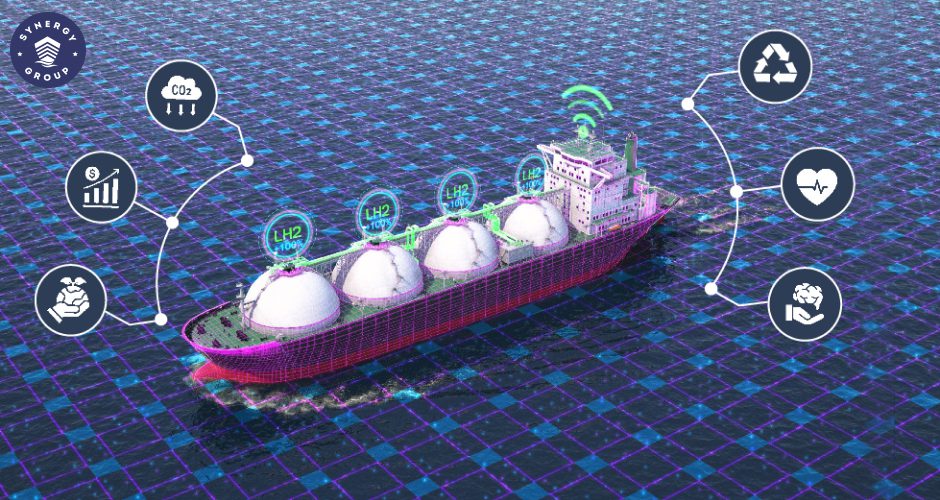
私の考えでは、2030年までの海運における持続可能性は、以下の組み合わせによるものかもしれません。
(a)よりクリーンな環境を全面的に支持し、最も安全でクリーンな輸送手段として世界が認識している産業。
(b)配送は、商品を輸送するための最も費用対効果の高い方法でもあります。そして
(c) ワークライフバランスと生活の質の点で最高水準の業界であること。
しかし、私が持続可能性の3Pと呼ぶもの、つまり人、地球、利益を達成するためには、もちろん「どのように」があり、それを次のようにリストアップします。
Using ship to shore data feed technology to reduce CO2 emission.
This can facilitate key operational decisions, which if made in real time can greatly assist in lessening CO2 emissions;
Using exhaust emission technology.
By focusing on the capture and treatment of exhaust emissions, we can address specific pollutants such as sulphur, which is one of the most serious ones, and can look to convert highly poisonous gases into non-toxic ones;
Using alternative fuels.
The shipping industry must further and increasingly explore LNG, hydrogen and even solar panels in reducing its environmental impact and more generally must operate in a more environmentally friendly way;
AIベースの技術を使用してさまざまな車載センサーからの膨大な量のデータを処理し、最適なルーティング、速度、および操縦を示す燃料最適化システムを利用することにより。
風力を利用する技術の進歩により、帆や凧が従来の推進方法を増強できるため、大幅なコスト削減と汚染の削減が可能になります。
Keener focus on vital steps in recruiting, training and retention – maritime stakeholders must increase efforts on all these if they are to avoid a serious shortage in the supply of crew.
しかし、持続可能性について話すとき、私たちは主にグリーン問題に傾倒しており、もちろんそれは通常、環境の観点から表現されます。
環境の持続可能性が重要であることは間違いありませんが、私たちはどこかで人間の持続可能性を無視したり、忘れたりさえしてきました。 それに関して、つまり、海事業界が2030年までにこの重要な側面に対するアプローチを大幅に改善するためには、取るべき特定の行動があります。 これらは:
Recognition of the key importance of mental health. There is no doubt that crew suffer from mental health issues and need support, and designated centres, digital platforms, hotline numbers and counsellors for mental health and related human well-being are all a major necessity;
The creation of better internet access on board.
It is amazing and very concerning that, in the age of 5G and Starlink, crew members are still living with poor and sometimes no internet access. It should be understood – for it is not hard to understand – that in this digital age access to the internet is a basic necessity and not a luxury. I know of instances where this has been a decisive factor in choosing which company to sail with, which is a pretty clear indicator of how important it is;
Gender equality at sea.
This is still a major concern. We need to focus on creating a safe environment for women on board, and the continuing reluctance of many companies to employ female seafarers must right away become a thing of the past. Employers need simply to look at it from the female standpoint and focus on some basics like providing female cabins, sanitary bins and proper, bespoke PPE;
レクリエーションエリアと船内での活動を改善する必要があります。 疲労は肉体的なものだけでなく、精神的なものとしても考慮されるべきであり、例えば、レクリエーションエリアや、疲労によって引き起こされる安全リスクに両面から具体的に対処できる社会活動の改善などによって対処する必要があります。
Improved and continual training.
In an ever evolving socio-economic and technological environment, outdated operational practices must go and any skills gaps must be filled, with state-of-the-art training, both ashore and at sea;
2030年までに世界の総労働力の70%以上を占めるようになるミレニアル世代とジェネレーションZは、特に伝統的で階層的なこの業界では、過去と現在の価値観と衝突する可能性のある価値観を持つという、差し迫った世代間の問題があります。 非常に新しい思考プロセスや問題解決の道筋を理解し、可能な限りそれに対応するためには、今日の若者をプラットフォームに呼び込み、現在何が起こっているのか、そしてそれがどのように改善されるのかについて彼らの意見を求める必要があります。 構造や手順を押し付けるのではなく(つまり、私たちがいつもやってきたことを、いつもやってきたからといって、それをやるのではなく)、彼らがイノベーションを起こせるように、オープンなプラットフォームを提供するべきです。
デジタルスキルを身に付ける必要があります。 トレーニングには、従来の学習だけでなく、バーチャルリアリティ、AI、コーディングなどの最新の技術も使用する必要があります。 私たちは、若い世代のキャリア選択において決定的な役割を果たすスキルと機会に焦点を当てる必要があります。
最後に、海運業界は、幅広い人材を引き付けるために、人間の持続可能性、幸福、海上での労働条件に対する全体的なアプローチを改善する必要があることは確かです。 長時間労働、低賃金、孤独、メンタルヘルスなどの問題に、私たちの専門職を再び権威あるものにし、次の世代がキャリアとして考えるために、徹底的かつ緊急に対処する必要があります。
世界の海事産業が2030年までに持続可能性を達成するためには、人的要素が不可欠な要素であり、人間の持続可能性の課題に対処することが不可欠となっています。
キャプテン・ヴィクラム・シン – 「オレンジ・ビクトリア」