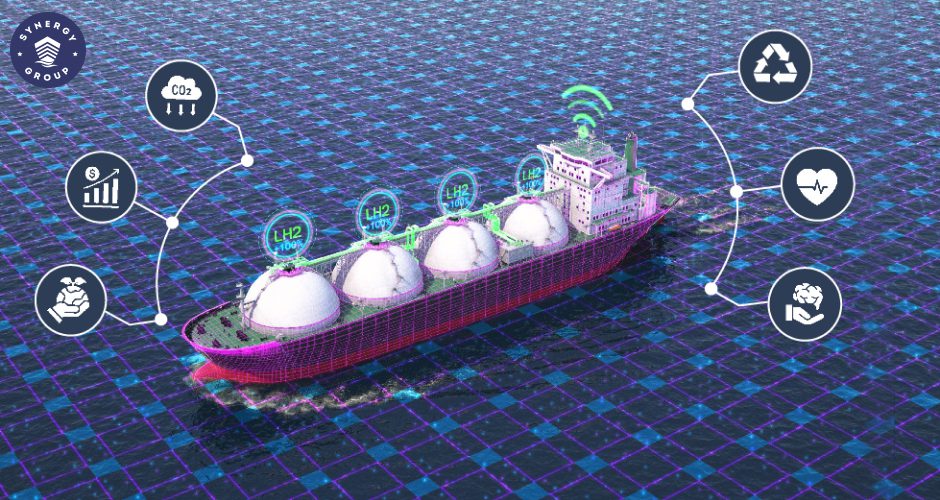
1987년 유엔 브룬틀란트 위원회(United Nations Brundtland Commission)는 지속 가능성을 “미래 세대가 자신의 필요를 충족할 수 있는 능력을 손상시키지 않으면서 현재의 필요를 충족시키는 것”으로 정의했습니다.
제 생각에는 2030년까지 해운의 지속 가능성은 다음과 같은 조합이 될 수 있습니다.
(a) 더 깨끗한 환경을 전적으로 지원하고, 세계가 가장 안전하고 깨끗한 운송 수단으로 인정하는 산업;
(b) 배송은 또한 상품을 운송하는 가장 비용 효율적인 방법입니다. 그리고
(c) 일과 삶의 균형 및 삶의 질 측면에서 최고 중 하나인 산업.
그러나 제가 지속 가능성의 3P라고 부르는 것(사람, 지구, 이익)을 달성하기 위해서는 물론 “방법”이 있으며, 이를 다음과 같이 나열합니다.
Using ship to shore data feed technology to reduce CO2 emission.
This can facilitate key operational decisions, which if made in real time can greatly assist in lessening CO2 emissions;
Using exhaust emission technology.
By focusing on the capture and treatment of exhaust emissions, we can address specific pollutants such as sulphur, which is one of the most serious ones, and can look to convert highly poisonous gases into non-toxic ones;
Using alternative fuels.
The shipping industry must further and increasingly explore LNG, hydrogen and even solar panels in reducing its environmental impact and more generally must operate in a more environmentally friendly way;
AI 기반 기술을 사용하여 다양한 탑재 센서의 방대한 양의 데이터를 처리하여 최적의 경로, 속도 및 기동을 표시하는 연료 최적화 시스템을 참여시킴으로써;
풍력을 활용하는 기술 발전에 의해 돛이나 연이 기존의 추진 방법을 증강 할 수 있으므로 주요 비용 절감 및 오염 감소;
Keener focus on vital steps in recruiting, training and retention – maritime stakeholders must increase efforts on all these if they are to avoid a serious shortage in the supply of crew.
그러나 지속 가능성에 대해 이야기 할 때 우리는 대부분 환경 측면에서 표현되는 녹색 문제에 기울어 있습니다.
환경적 지속 가능성이 중요하다는 것은 의심의 여지가 없지만, 그 과정에서 우리는 인간의 지속 가능성을 소홀히 하거나 심지어 잊어버렸을 수도 있습니다. 이와 관련하여, 즉 해양 산업이 2030년까지 이 중요한 측면에 대한 접근 방식을 크게 개선하기 위해서는 몇 가지 조치를 취해야 합니다. 이것들은:
Recognition of the key importance of mental health. There is no doubt that crew suffer from mental health issues and need support, and designated centres, digital platforms, hotline numbers and counsellors for mental health and related human well-being are all a major necessity;
The creation of better internet access on board.
It is amazing and very concerning that, in the age of 5G and Starlink, crew members are still living with poor and sometimes no internet access. It should be understood – for it is not hard to understand – that in this digital age access to the internet is a basic necessity and not a luxury. I know of instances where this has been a decisive factor in choosing which company to sail with, which is a pretty clear indicator of how important it is;
Gender equality at sea.
This is still a major concern. We need to focus on creating a safe environment for women on board, and the continuing reluctance of many companies to employ female seafarers must right away become a thing of the past. Employers need simply to look at it from the female standpoint and focus on some basics like providing female cabins, sanitary bins and proper, bespoke PPE;
레크리에이션 구역과 기내 활동을 개선해야 합니다. 피로는 육체적일 뿐만 아니라 정신적인 문제로만 간주되어야 하며, 예를 들어 두 가지 의미에서 피로로 인한 안전 위험을 구체적으로 다룰 수 있는 레크리에이션 공간과 개선된 사회 활동을 통해 해결되어야 합니다.
Improved and continual training.
In an ever evolving socio-economic and technological environment, outdated operational practices must go and any skills gaps must be filled, with state-of-the-art training, both ashore and at sea;
2030년까지 전 세계 노동 인구의 70% 이상을 차지하게 될 차세대 밀레니얼 세대와 Z세대는 특히 전통적이고 위계적인 이 산업에서 과거 및 현재의 가치와 충돌할 수 있는 가치를 가질 것이라는 점에서 임박한 세대 문제가 있습니다. 문제 해결을 위한 매우 새로운 사고 과정과 경로를 이해하고 가능한 한 수용하기 위해, 우리는 오늘날의 젊은이들을 플랫폼으로 데려와 현재 일어나고 있는 일과 그것이 어떻게 개선될 수 있는지에 대한 그들의 견해를 구해야 합니다. 구조와 절차를 강요하기보다는(즉, 우리가 항상 해왔기 때문에 항상 해왔던 일을 한다), 우리는 그들에게 혁신을 가져올 수 있는 열린 플랫폼을 제공해야 한다.
디지털 기술을 개발해야 합니다. 교육에는 전통적인 학습뿐만 아니라 가상 현실, AI 및 코딩과 같은 최신 기술을 사용해야 합니다. 우리는 젊은 세대의 직업 선택에 결정적인 역할을 할 기술과 기회에 초점을 맞춰야 합니다.
마지막으로, 광범위한 인재 풀을 유치하기 위해 해양 산업은 인간의 지속 가능성, 복지 및 해상 작업 조건에 대한 전반적인 접근 방식을 개선해야 합니다. 긴 노동 시간, 낮은 임금, 외로움 및 정신 건강과 같은 문제는 우리의 직업이 다시 한 번 권위 있는 직업이 되고 다음 세대가 직업으로 간주할 수 있도록 철저하고 시급하게 해결되어야 합니다.
인적 요소는 2030년까지 글로벌 해양 산업이 지속 가능성을 달성하는 데 필수적인 요소이며, 이에 따라 인간의 지속 가능성 문제를 해결하는 것이 필수적입니다.
비크람 싱 선장 – “오렌지 빅토리아”