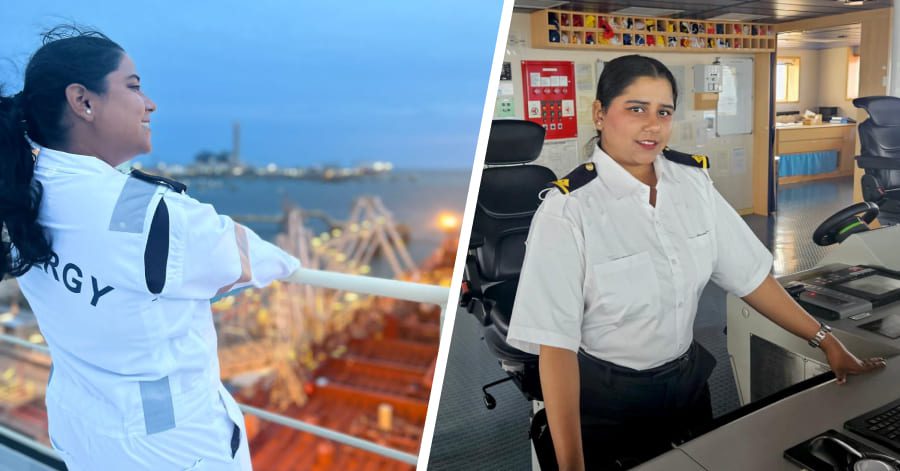
Sakshi Singh, Third Officer, is part of a generation of seafarers shaped as much by lived experience as by formal training. Her progression from pre-sea classrooms to the bridge reflects a steady build in responsibility — from learning systems to operating within them, and now contributing to decisions that directly impact safety and operations. Her reflections are measured and practical, drawn from watchkeeping routines, bridge teamwork and the discipline required to perform consistently over long voyages. At the same time, she offers a clear view of how the profession is evolving, particularly with the growing role of digital tools and changing expectations of the workplace. In this conversation, she speaks about the habits that sustain performance at sea, the responsibility that comes with trust, and the sense of purpose that continues to anchor her career.
1. What inspired you to choose a maritime career, and how has your journey evolved since your first days in pre-sea training?
The maritime profession appealed to me for its sense of discipline and responsibility, along with the opportunity to work in a truly global environment. Having grown up around the industry, I understood early that this is a career built on resilience, technical ability and character. Pre-sea training provided the foundation, but the real learning began once I started sailing. The transition from simulators to live operations — navigation, watchkeeping, cargo work and day-to-day coordination on board — brought a different level of understanding. Over time, the shift has been from learning procedures to applying them with confidence and accountability.
2. What have been the most meaningful skills or habits you have developed at sea that shape how you work today?
Situational awareness has been one of the most important skills to develop — being able to anticipate rather than react. Alongside this, the ability to remain composed under pressure and communicate clearly has become central to how I approach my role. Preparation is another habit that makes a tangible difference. Whether it is passage planning, equipment checks or operational readiness, consistency in small actions directly supports safety. Working with diverse crews has also strengthened adaptability and interpersonal understanding.
3. How would you describe your experience sailing with Synergy in terms of safety culture, teamwork and support on board?
My experience has been positive, particularly in terms of the emphasis on safety systems and compliance. There is a clear focus on risk assessment, toolbox discussions and adherence to established procedures. At the same time, the working environment on board has been supportive. Communication across departments is open, and there is guidance available when needed. This creates a space where you can ask questions, contribute to discussions and take ownership of your responsibilities.
4. Could you walk us through a typical day on board and the aspects of your role that require the most focus and judgment?
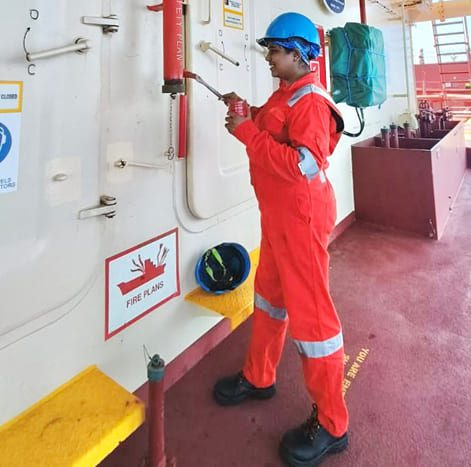
A typical day centres around watchkeeping, along with responsibilities related to safety and life-saving equipment, and cargo operations where required. Navigation during watchkeeping requires the highest level of attention and judgment, particularly in relation to traffic situations and maintaining situational awareness. Beyond that, ensuring that safety equipment is maintained and ready for use is equally critical, as it directly affects emergency preparedness. Documentation and compliance also require careful attention to detail.
5. Has there been a moment at sea that left a lasting impact on you, either personally or professionally?
Navigating through heavy weather stands out as a defining experience. It required close monitoring, coordination on the bridge and strict adherence to procedures. It reinforced the importance of preparation and maintaining composure under pressure. There have also been moments where senior officers entrusted me with greater responsibility. Those instances helped build confidence and reinforced the importance of accountability in this profession.
6. How do you see technology and digitalisation influencing shipboard roles, decision-making and future career pathways?
Technology is already improving both safety and efficiency on board. Systems such as ECDIS, advanced radar and performance monitoring tools enhance awareness and support decision-making. At the same time, it is important that technology remains a support tool rather than a replacement for professional judgment. A strong foundation in core navigation principles remains essential. Looking ahead, digitalisation is also opening up new pathways ashore, including roles in fleet operations, analytics and remote monitoring.
7. What qualities do you believe are essential for mariners today, and how do you consciously cultivate these in yourself?
Discipline, adaptability and technical competence remain fundamental. Alongside this, cultural awareness and emotional resilience are increasingly important given the nature of work at sea. I try to develop these through continuous learning, active participation in drills, and by seeking feedback from senior officers. Maintaining both physical fitness and mental balance is also important in sustaining performance over time.
8. What gives you the greatest sense of fulfilment or purpose at sea, and how does that compare with time spent ashore?
The strongest sense of fulfilment comes from completing voyages safely and contributing to the overall operation of the vessel. There is a clear sense of purpose in being part of a team responsible for safe and efficient performance. Time ashore provides balance and an opportunity to reconnect with family, but the structure and responsibility at sea bring a different kind of professional satisfaction.
9. In what ways have you seen the maritime workplace become more inclusive, and what further progress would you like to see?
There has been visible progress in creating a more inclusive environment, supported by policies on equal opportunity, professional development and workplace conduct. Going forward, continued focus on mentorship and representation, particularly in senior roles, would strengthen this further. Ultimately, maintaining an environment where competence is the primary measure of respect remains important.
10. What would you say to young people considering a maritime career?
It is important to understand that life at sea requires commitment, discipline and resilience. It is not a conventional career path, and it demands a certain mindset. At the same time, it offers unique opportunities — global exposure, professional growth and the chance to take on responsibility early in one’s career. For those willing to invest the effort, it can be both challenging and rewarding.