
What is Technical Ship Management?
Technical ship management encompasses the complete lifecycle care of a vessel, ensuring it is safe, compliant, energy efficient, and cost effective at every stage of operation. It combines marine engineering expertise, preventive maintenance, and data-driven oversight to keep ships seaworthy and owners confident.
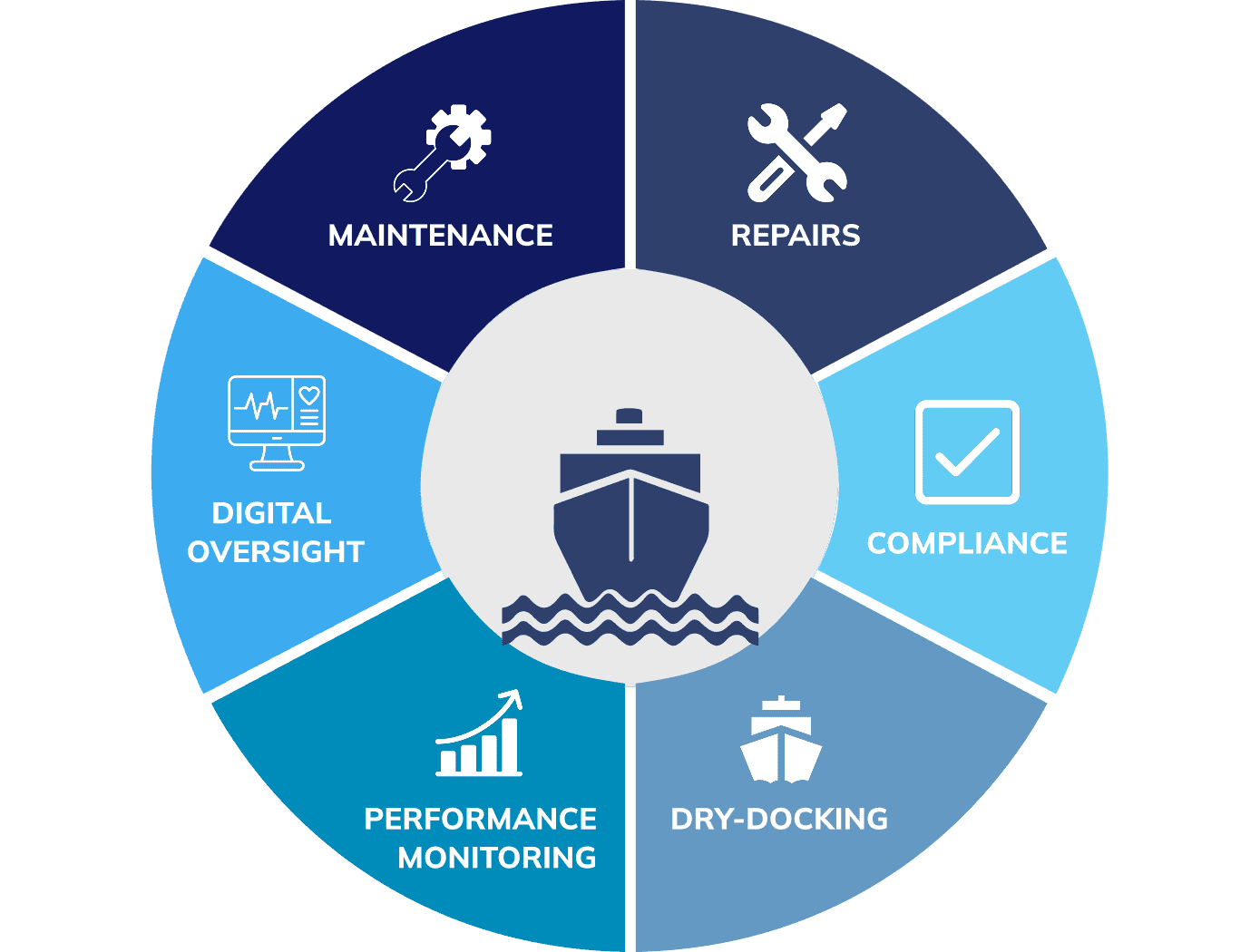
In essence, it is about managing every technical element of a vessel so that owners can focus on commercial performance. This includes maintenance, repairs, class and flag compliance, dry-docking, performance monitoring, and environmental optimisation.
At Synergy Marine Group, technical management extends beyond maintenance. It is about helping shipowners achieve operational reliability, lifecycle value, and sustainability through predictive management and a philosophy built on safety, precision, and accountability.
Ajay Chaudhry, Co-CEO – Ship Management, explains:
“Technical management today is not just about maintaining machinery; it is about maintaining trust. Our focus is on predictive reliability, where every decision, from maintenance scheduling to digital integration, contributes to operational continuity and owner confidence.”
Key Responsibilities of Technical Ship Management
From preventive maintenance and engineering support to compliance and performance optimisation, technical management covers a broad spectrum of interconnected responsibilities that together ensure vessel safety and long-term efficiency.

Ship Maintenance Management
Preventive maintenance lies at the heart of technical ship management. Using a tailored Planned Maintenance System (PMS), Synergy Marine Group schedules and monitors every maintenance activity across its global fleet, from hull inspections to machinery overhauls and corrosion control.
This disciplined, data-backed approach minimises unplanned downtime and extends vessel lifespan.

Vikas Trivedi, Co-CEO – Ship Management, remarks:
“Preventive maintenance is where engineering discipline meets foresight. By combining data analytics with the experience of our teams, we anticipate issues before they affect operations, ensuring ships run safer, cleaner, and longer.”
Marine Technical Management
Marine technical management involves ongoing engineering oversight, troubleshooting, and shore-based support. Through its Remote Operations Optimisation Centre (ROOC), Synergy provides 24/7 vessel monitoring covering fuel consumption, performance trends, and equipment health.
By blending human expertise with analytics, Synergy ensures early detection of anomalies and alignment with international regulations, turning engineering intelligence into operational resilience.

Vessel Maintenance Management
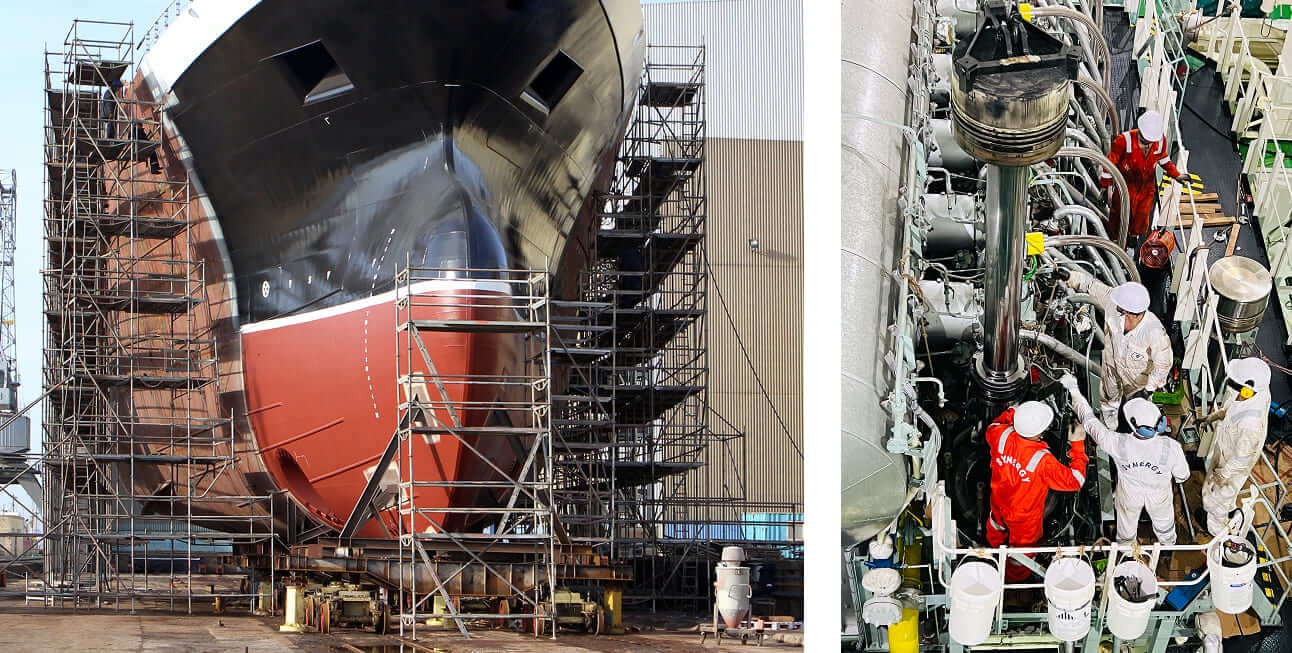
Dry-docking, class surveys, and emergency repairs require precision and timing. Synergy’s technical teams coordinate shipyard projects worldwide, ensuring safety standards and budgets are consistently met.
Ship Operations Management
Operational optimisation goes hand in hand with technical reliability. Synergy integrates voyage planning, energy management, and emissions tracking, reducing fuel waste and enhancing efficiency in line with IMO regulations.
Marine Fleet Management
Fleet management ensures consistent performance across diverse vessel types and trades. Synergy leverages advanced analytics to benchmark efficiency, track cost metrics, and maintain uniform safety and compliance standards.
The result is global fleets operating with discipline, accountability, and sustainability.
Ship Repair Management
Ship repair management includes repair scheduling, coordination with shipyards, and managing emergency repair situations. Common types of ship repairs include hull, machinery, electrical, and propulsion system repairs.
Synergy’s partnerships with trusted suppliers and shipyards worldwide enable timely and high-quality repairs, ensuring vessels return to service as quickly as possible.
Technical Services and Marine Engineering
From condition assessments to full-scale refits, Synergy’s technical services combine engineering depth with operational foresight. Its marine engineering teams perform propulsion checks, engine diagnostics, and onboard troubleshooting, ensuring vessels meet the highest class and flag standards.

Ajay Chaudhry, Co-CEO – Ship Management
“Every inspection and audit is an opportunity to learn. Our goal is not just to comply with standards but to continually elevate them, translating every lesson from sea and shore into safer and more efficient operations.”
Technical Ship Management Services
Synergy Marine Group offers a comprehensive range of technical ship management services to ensure vessel efficiency, safety, and compliance. These services are tailored to each vessel’s operational needs and lifecycle stage.
Regulatory Compliance and Certification
Meeting international maritime conventions such as SOLAS, MARPOL, and the ISM Code demands rigour. Synergy’s compliance framework embeds audits, documentation control, and continuous readiness for inspections across every vessel under management.
COMPLIANCE PILLARS

Crew Technical Support and Training
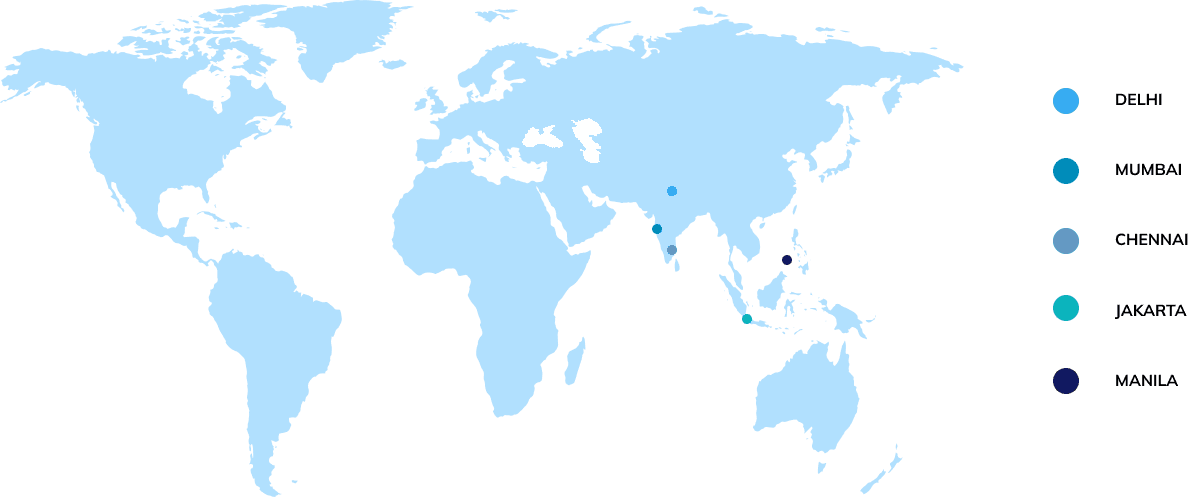
Technical management succeeds only when crew competence matches vessel complexity. Synergy’s training centres in Delhi, Chennai, Mumbai, Manila, and Jakarta deliver immersive simulation-based modules for dual-fuel and next-generation systems, producing a future-ready maritime workforce.
Cost Control and Procurement
With centralised procurement and vendor partnerships, Synergy ensures cost efficiency without compromise. Every technical decision balances quality, reliability, and lifecycle economics.
Performance Monitoring and Transparency
Through its ROOC facility, Synergy provides real-time dashboards covering vessel condition, fuel performance, and safety data. Transparent reporting builds owner confidence and strengthens long-term partnerships.
Vikas Trivedi adds:
“Transparency builds trust, and trust builds long-term partnerships. Our data-driven systems give shipowners complete visibility into fleet performance, turning operational reporting into a foundation for collaboration and shared improvement.”
How to Choose the Right Technical Ship Management Company
Selecting a technical manager is about trust and capability. Shipowners should seek partners with:
- Proven fleet management track record
- Integrated digital systems and analytics
- Transparent budgeting and reporting
- Documented safety and environmental compliance
Ajay Chaudhry reflects:
“Shipowners today seek partners who understand both the technical and human dimensions of shipping. At Synergy, we see ourselves as lifecycle custodians, aligning engineering excellence with people, process, and purpose.” With decades of operational experience, Synergy Marine Group combines engineering precision with sustainable innovation, delivering not just vessel management but lifecycle stewardship built on reliability and responsibility
Conclusion
Technical ship management underpins safe, sustainable, and efficient maritime trade. It blends engineering excellence, digital intelligence, and human expertise to ensure that every voyage runs smoothly and responsibly.
Vikas Trivedi concludes:
“Our mission is simple yet enduring: to combine human expertise, digital intelligence, and engineering rigour to advance the global standards of safe and sustainable shipping.”
By partnering with Synergy Marine Group, shipowners gain more than management; they gain a global ally dedicated to safety, efficiency, and long-term value creation.
Frequently Asked Questions
How do ship managers train and support crew for technically advanced vessels?
Ship managers ensure crews are ready for next-generation vessels through blended learning, simulators, and onboard mentoring. Training focuses on dual-fuel operations, digital control systems, and predictive maintenance. At Synergy, targeted upskilling precedes every deployment on new technology ships. Continuous feedback, safety workshops, and mental-health support maintain competence, confidence, and compliance—anchoring a culture of learning that advances both safety and performance.
How does effective technical management extend a vessel’s lifecycle?
Effective management preserves both condition and value. Planned maintenance, class compliance, and condition-based monitoring reduce wear and prevent costly failures. Data-driven insights help optimise dry-dock intervals and schedule timely replacements. Over time, disciplined care lowers fuel consumption, limits corrosion, and safeguards resale potential—often extending a ship’s productive life by several years.
How are technical ship managers preparing for future IMO and ESG compliance requirements?
Progressive ship managers embed ESG and regulatory foresight into daily operations. Preparations span CII and EEXI readiness, emissions tracking, and use of low-carbon fuels. Digital tools support transparent reporting and lifecycle monitoring. Synergy’s ESG framework integrates sustainability with asset performance, ensuring every vessel under management remains efficient, compliant, and aligned with emerging global expectations.
Can technical ship management reduce my vessel’s carbon footprint—and by how much?
Yes. Systematic technical management can typically cut emissions by 5–15 percent through fuel-efficiency initiatives such as hull cleaning, trim optimisation, and voyage performance analytics. Further reductions come from energy-saving retrofits, engine tuning, and AI-based advisory systems. These measures deliver measurable decarbonisation while maintaining reliability and compliance with IMO 2050 targets.
What happens if my vessel under management fails a Port State Control inspection?
A structured response follows immediately: root-cause analysis, corrective action, and verification. The manager coordinates with class, flag, and port authorities to close deficiencies and confirm compliance. Retraining and preventive audits are initiated where needed. Transparent documentation ensures credibility with charterers and inspectors while restoring full operational status quickly and efficiently.
How can digitalisation and AI lower ship management costs?
Digital integration centralises maintenance, procurement, and voyage data to reduce downtime and waste. AI analytics reveal fuel and machinery inefficiencies, while automation streamlines workflows and reporting. The outcome is lower operating cost, improved predictability, and stronger asset performance—benefits that scale as fleets embrace data-driven management ecosystems.
What are the early warning signs of poor technical ship management?
Frequent breakdowns, recurring PSC deficiencies, and inconsistent reporting often indicate weak control. Additional warning signs include overdue maintenance, opaque budgets, and limited crew training. Declining fuel efficiency or repeated charterer concerns warrant closer review. Strong management is proactive and transparent, preventing small issues from becoming operational or reputational risks.
How can I evaluate the performance of my current technical ship management provider?
Track quantifiable indicators—off-hire days, PSC results, vetting records, cost adherence, and fuel performance. Review transparency, communication, and crew-retention data. Benchmark results against industry KPIs or peer fleets. A high-performing manager demonstrates continuous improvement and openness through accessible dashboards, audits, and measurable outcomes across safety, cost, and sustainability.
What are the hidden costs most owners overlook in ship management contracts?
Unscheduled dry-dockings, inefficient procurement, and poorly planned crew changes can inflate budgets. Weak preventive maintenance also drives unplanned repairs and fuel penalties. Transparent contracts define scope, mark-ups, and performance metrics clearly. Predictable, data-backed management eliminates hidden costs, protects asset value, and ensures financial visibility throughout a vessel’s lifecycle.