Global shipping stands at a defining moment.
The maritime industry carries close to 90 percent of global trade by volume. It remains indispensable to the world economy. Yet the environmental expectations placed upon it are changing rapidly.
Regulatory frameworks are tightening. Cargo owners are scrutinising supply chains. Financial institutions are aligning capital with environmental performance. Technology is evolving at speed.
Green shipping is no longer a voluntary environmental initiative. It represents a structural shift in how vessels are designed, fuelled and managed.
For the shipping industry, sustainability is becoming inseparable from operational credibility.
Understanding Green Shipping
Green shipping refers to the integration of environmentally responsible practices across vessel design, fuel selection, operational oversight and end-of-life management.
It includes:
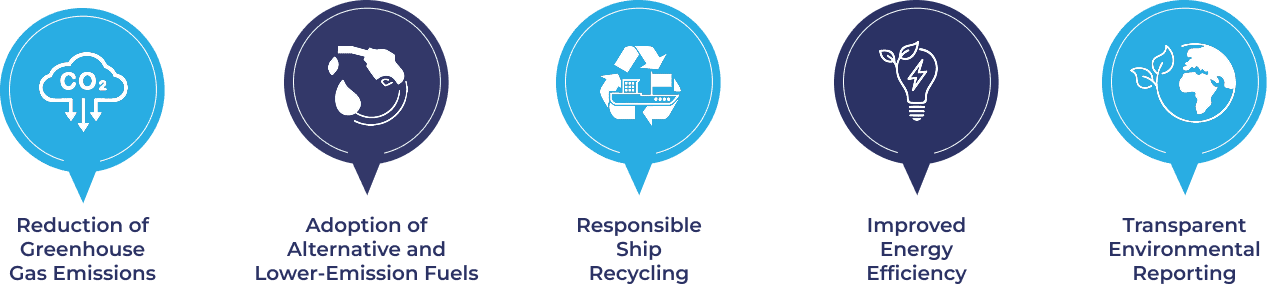
Crucially, sustainable shipping is not confined to new vessels. It applies equally to existing fleets through retrofits, performance optimisation and structured technical management.
In practice, green shipping is delivered not through intention alone, but through execution.
Key Forces Shaping the Rise of Green Shipping
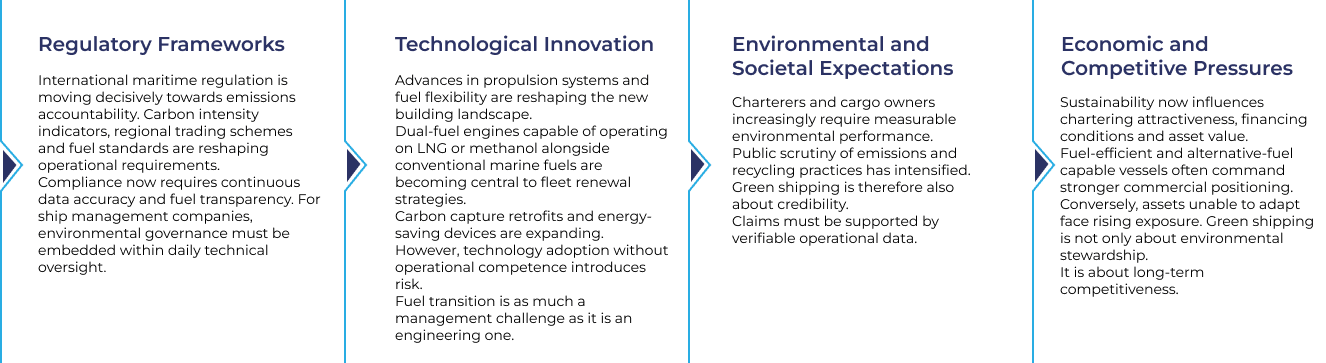
Green shipping is not only about environmental stewardship. It is about long-term competitiveness.
Key Technologies Driving Green Shipping Transformation
Alternative Fuels and Energy Sources
The transition to green shipping fuels is central to decarbonisation.
LNG, methanol, ammonia and biofuels are moving from pilot projects to commercial fleets. Each pathway introduces new safety protocols, crew training requirements and maintenance considerations.
Managing dual-fuel vessels demands:

The complexity of operating fuel-flexible vessels underscores the importance of experienced technical management.
Energy-Efficient Ship Design
Modern hull forms, optimised propeller designs and advanced coatings contribute to incremental but meaningful efficiency gains. In parallel, retrofit programmes across existing fleets improve environmental performance without requiring full asset replacement. Efficiency, when applied consistently across hundreds of vessels, becomes material.
Digitalisation and Smart Shipping
Digital systems enable real-time fuel tracking, emissions monitoring and carbon intensity assessment.
For dual-fuel vessels in particular, data integrity is essential to ensure safe operation and accurate environmental reporting. Digital oversight transforms sustainability from aspiration into measurable accountability.
Electrification and Hybrid Technologies
Battery-assisted propulsion and auxiliary electrification are gaining traction, particularly in regional trades and port operations. While deep-sea shipping presents different technical constraints, hybrid solutions are expanding. These developments signal diversification rather than a single fuel solution.
Smart Ports and Sustainable Logistics
Ports are investing in shore power infrastructure and alternative fuel bunkering capabilities.
Greater integration between ship operators, ports and logistics providers is essential to support alternative fuel deployment at scale.
Green shipping increasingly depends on coordinated ecosystems.
Synergy Marine Group and the Shift Towards Green Shipping
For Synergy Marine Group, green shipping is approached through disciplined ship management rather than isolated environmental initiatives. With more than 730 vessels under technical management across dry bulk, tanker, container, gas and offshore segments, sustainability must be scalable and consistent.
The Group has developed significant operational experience in managing dual-fuel vessels, including LNG and methanol platforms. This experience extends beyond newbuilding supervision to daily technical management, safety oversight and crew readiness.
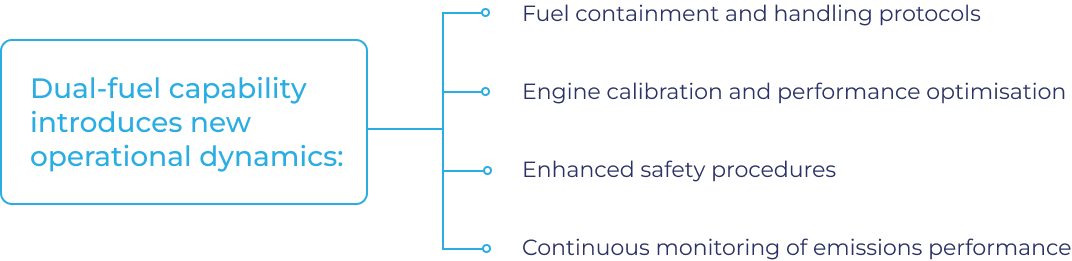
Safe and efficient execution requires structured governance, cross-functional coordination and rigorous training.
Green shipping, in this context, is delivered through integrated technical management, digital oversight and safety culture alignment.
It is not a marketing statement. It is an operational commitment.
Business Impact of Green Shipping
Sustainability now directly influences commercial outcomes.
Shipowners assess technical managers based on their ability to:

Green capability strengthens trust. For global ship management organisations, that trust is foundational.
Challenges in Implementing Green Shipping
The transition to greener operations presents real complexity.
Challenges include:

Managing these variables requires long-term perspective and operational resilience. The transition will not be uniform. It will be iterative.
The Future of Green Shipping: From Compliance to Leadership
The industry is moving beyond compliance towards strategic leadership.
In the coming decade we can expect:

Leadership in green shipping will be defined by execution. Organisations capable of managing alternative fuel vessels safely and efficiently at scale will shape the next phase of maritime development.
Conclusion
Green shipping is transforming the global maritime industry.
It is reshaping how vessels are designed, fuelled and technically managed. Sustainability is becoming inseparable from operational excellence.
For Synergy Marine Group, the shift towards greener shipping is anchored in disciplined ship management, dual-fuel operational expertise and structured governance.
The future of marine shipping will not be determined by ambition alone. It will be determined by capability.
Frequently Asked Questions
What does green shipping mean for the maritime industry?
Green shipping refers to the adoption of environmentally responsible vessel design, alternative fuels, energy efficiency measures and structured environmental reporting across marine operations.
How is green shipping transforming global ship management?
It requires ship managers to integrate alternative fuel oversight, emissions monitoring and sustainability reporting into daily technical management processes.
What role does dual-fuel technology play in sustainable ship management?
Dual-fuel engines allow vessels to operate on lower-emission fuels such as LNG or methanol. However, they require enhanced safety protocols, specialised crew training and continuous performance monitoring to deliver environmental benefits safely.
How does green shipping impact shipping companies?
It affects financing conditions, chartering competitiveness, regulatory exposure and long-term asset value.
What are the key challenges in adopting green shipping?
Challenges include fuel infrastructure readiness, capital investment, crew competency development and regulatory complexity.
What is the future of green shipping for the maritime sector?
The future lies in expanded alternative fuel deployment, digital emissions accountability and stronger collaboration across the maritime ecosystem.