1987 年,联合国布伦特兰委员会将可持续性定义为“满足当代人的需求,同时不损害子孙后代满足自身需求的能力”。
在我看来,到 2030 年航运业的可持续性可能是以下因素的混合:
(a) 一个完全支持更清洁环境的行业,并被世界公认为最安全和最清洁的运输方式;
(b) 航运也是最具成本效益的货物运输方式;和
(c) 在工作与生活的平衡和生活质素方面名列前茅的行业。
但是,要实现我所说的可持续发展的 3 P——人类、地球和利润——当然有一个“如何做”,我将其列举如下:
Using ship to shore data feed technology to reduce CO2 emission.
This can facilitate key operational decisions, which if made in real time can greatly assist in lessening CO2 emissions;
Using exhaust emission technology.
By focusing on the capture and treatment of exhaust emissions, we can address specific pollutants such as sulphur, which is one of the most serious ones, and can look to convert highly poisonous gases into non-toxic ones;
Using alternative fuels.
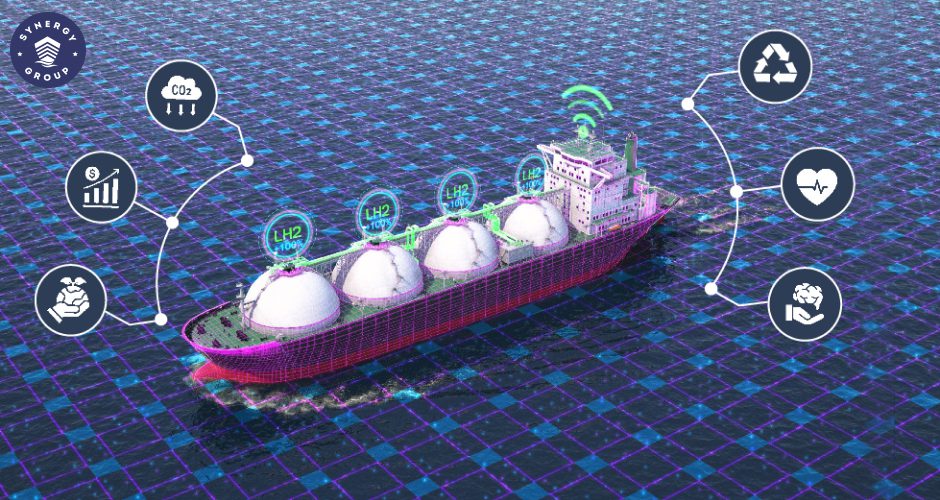
The shipping industry must further and increasingly explore LNG, hydrogen and even solar panels in reducing its environmental impact and more generally must operate in a more environmentally friendly way;
通过使用燃料优化系统,该系统使用基于人工智能的技术来处理来自各种车载传感器的大量数据,从而指示最佳路线、速度和操纵;
通过技术进步来利用风能,使风帆或风筝可以增强传统的推进方法,从而大大节省成本并减少污染;
Keener focus on vital steps in recruiting, training and retention – maritime stakeholders must increase efforts on all these if they are to avoid a serious shortage in the supply of crew.
然而,当我们谈论可持续发展时,我们最倾向于绿色问题,当然,这些问题通常以环境来表达。
毫无疑问,环境可持续性很重要,但在此过程中,我们忽视了,甚至可能忘记了人类的可持续性。 在这方面,即到 2030 年,海运业要显著改进其在这一重要方面的方法,需要采取某些行动。 这些是:
Recognition of the key importance of mental health. There is no doubt that crew suffer from mental health issues and need support, and designated centres, digital platforms, hotline numbers and counsellors for mental health and related human well-being are all a major necessity;
The creation of better internet access on board.
It is amazing and very concerning that, in the age of 5G and Starlink, crew members are still living with poor and sometimes no internet access. It should be understood – for it is not hard to understand – that in this digital age access to the internet is a basic necessity and not a luxury. I know of instances where this has been a decisive factor in choosing which company to sail with, which is a pretty clear indicator of how important it is;
Gender equality at sea.
This is still a major concern. We need to focus on creating a safe environment for women on board, and the continuing reluctance of many companies to employ female seafarers must right away become a thing of the past. Employers need simply to look at it from the female standpoint and focus on some basics like providing female cabins, sanitary bins and proper, bespoke PPE;
船上的娱乐区和活动需要改进。 疲劳不仅应被视为身体上的疲劳,还应被视为精神上的疲劳,这需要通过娱乐区和改进的社交活动来解决,这些活动可以专门解决疲劳在两种意义上造成的安全风险;
Improved and continual training.
In an ever evolving socio-economic and technological environment, outdated operational practices must go and any skills gaps must be filled, with state-of-the-art training, both ashore and at sea;
存在一个迫在眉睫的代际问题,即到 2030 年,即将到来的千禧一代和 Z 世代将占全球劳动力总数的 70% 以上,他们的价值观可能会与历史和现在的价值观发生冲突,尤其是在这个既传统又等级森严的行业中。 为了理解并尽可能适应可能非常新的思维过程和解决问题的途径,我们必须将今天的年轻人带到这个平台上,并寻求他们对当前发生的事情以及如何改进的看法。 与其强加结构和程序(即我们做我们一直在做的事情,只是因为我们一直在做),我们应该给他们一个开放的平台,以便他们能够带来创新;
需要培养数字技能。 培训不仅必须包括传统学习,还必须使用最新的技术,例如虚拟现实、人工智能和编码。 我们需要关注对年轻一代职业选择具有决定性作用的技能和机会。
最后,可以肯定的是,为了吸引广泛的人才库,海运业需要改善其对人类可持续性、福祉和海上工作条件的整体方法。 诸如工作时间长、工资低、孤独和心理健康等问题需要得到彻底和紧迫的解决,以使我们的职业再次享有盛誉,并被下一代视为职业。
人为因素是全球海运业到 2030 年实现可持续发展的重要因素,这使得解决人类可持续发展挑战势在必行。
维克拉姆·辛格上尉 – “Orange Victoria”